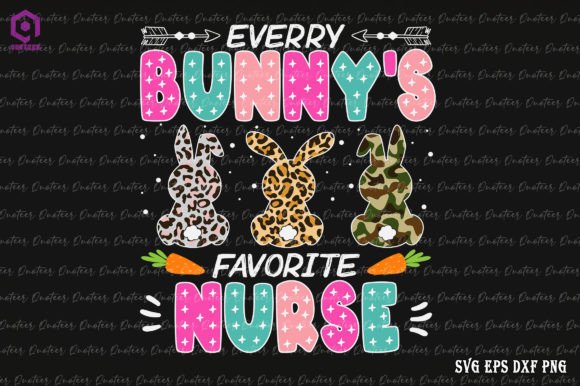
Reviewing Every Bunnys is Favorite Nurse Easter Design
As an embroidery designer who has spent years digitizing patterns and troubleshooting stitch-outs for small business owners, I approach every new machine embroidery design with a critical eye. It is not enough for a graphic to look cute on a screen; it must perform under the needle. Recently, I evaluated Every Bunnys is Favorite Nurse Easter, a digital asset that sits at the intersection of healthcare appreciation and seasonal holiday cheer. This review breaks down how this specific embroidery file holds up in real-world applications, from boutique sweatshirts to custom tote bags.
First Impressions and Visual Personality
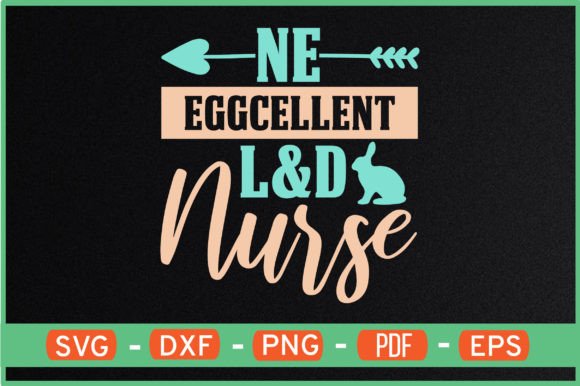
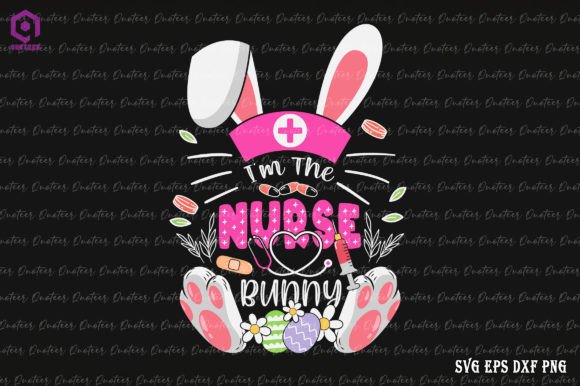
The initial appeal of Every Bunnys is Favorite Nurse Easter lies in its thematic clarity. Combining the softness of Easter imagery with the professional pride of nursing creates a unique niche product. For crafters and Etsy sellers, this dual-audience approach is gold. The design does not feel cluttered; instead, it balances playful elements with readable text. When I first loaded the preview, I noticed the layout was optimized for visibility, which is crucial when working with smaller hoop sizes.
The mood is lighthearted yet respectful. It avoids the overly clinical feel of medical gear while steering clear of childish caricatures that might offend professional nurses. This balance makes it suitable for a wide range of handmade products, from gifts for nursing students to apparel for seasoned practitioners celebrating the spring season.
Real-World Application: The Custom Sweatshirt Test
To truly understand the viability of this digital embroidery file, I imagined a common scenario: a custom order for a nurse’s granddaughter. The client wanted a personalized gift that could be worn casually. I visualized stitching Every Bunnys is Favorite Nurse Easter onto a mid-weight cotton blend sweatshirt. This is a popular choice for custom apparel because it provides a stable surface for stitching without excessive stretch.
In this context, the design’s structure matters. If the lettering is too thin, it may get lost in the fleece texture. If the bunny elements are too dense, they can cause puckering. Based on the visual weight of the graphics, this design appears to rely on clean lines rather than heavy saturation. This suggests it would work well as a chest logo or a larger back print, provided the stitch density is adjusted appropriately for the fabric type. For a finished product that needs to withstand frequent washing, ensuring proper stabilization is non-negotiable.
Versatility Across Crafts and Graphics
While primarily intended for embroidery, the inclusion of SVG, PNG, DXF, and EPS files in the download package expands its utility significantly. This versatility is a major selling point for creative entrepreneurs who operate across multiple platforms. Here is how I see this asset performing in various projects:
- Tote Bag Design: The crisp lines of the vector files allow for easy conversion into vinyl cuts or direct embroidery on canvas. A natural-colored tote with this design makes an excellent personalized gift for hospital staff.
- Embroidered Patch: Creating a merrow-edge patch requires bold shapes. If the design elements are distinct enough, this could serve as a fun badge for scrub caps or lanyards.
- Baby Embroidery: For onesies or bibs, scale is everything. You must ensure the smallest details do not become indistinct blobs when reduced. Testing on scrap fabric is essential here.
- Printable Mockup: The high-resolution PNG allows small shop product creators to generate professional listings before even stitching a single thread, saving time and resources.
Technical Considerations for Stitching
Before running this design on your machine, there are several technical factors to consider. Since the product description confirms the inclusion of SVG, PNG, DXF, and EPS files, it is clear this is a hybrid asset. However, for machine embroidery, you need to confirm if a native embroidery format (like PES, DST, or JEF) is included or if you must digitize the SVG yourself. If you are using pre-digitized files not listed, always check the stitch count and color sequence.
If you are digitizing from the provided SVG, pay attention to the transition between the text and the graphical elements. Use running stitch for fine outlines and satin stitch for narrow text to maintain legibility. For larger filled areas, a fill stitch with appropriate underlay will prevent shifting. Always use a cut-away stabilizer for stretchy fabrics like jersey knits, and a tear-away for stable woven cottons.
Be cautious with dark fabrics. If the design relies on light thread colors for contrast, ensure you use a high-quality rayon or polyester thread that reflects light well. Testing on black fabric can reveal gaps in coverage that are invisible on white backgrounds.
Commercial Viability and Brand Consistency
For craft business owners, consistency is key to building trust. Every Bunnys is Favorite Nurse Easter offers a professional aesthetic that aligns well with boutique branding. It does not look like a clip-art afterthought; it feels intentional. This level of quality enhances customer trust and increases the perceived value of the handmade product.
When listing this item on marketplaces, highlight its dual appeal. Use keywords like holiday embroidery, nurse gift, and Easter decor to capture search traffic from both niches. Remember to verify the license terms included in the ZIP file. Most commercial licenses allow you to sell physical items made with the design, but restrictions often apply to reselling the digital files themselves.
Final Verdict for Designers and Makers
In conclusion, Every Bunnys is Favorite Nurse Easter is a strong contender for your spring catalog. It bridges a gap between professional pride and seasonal fun, offering versatility across Crafts and Graphics mediums. Whether you are creating a tote bag design for a local hospital fundraiser or a sweatshirt embroidery piece for a family gift, this design holds up under scrutiny.
My advice is simple: test it on scrap fabric first. Check the tension, adjust the density if needed, and ensure your thread colors pop against your chosen material. With careful execution, this embroidery project can become a bestseller in your small shop product lineup. It is a practical, charming, and commercially viable asset for any serious maker.